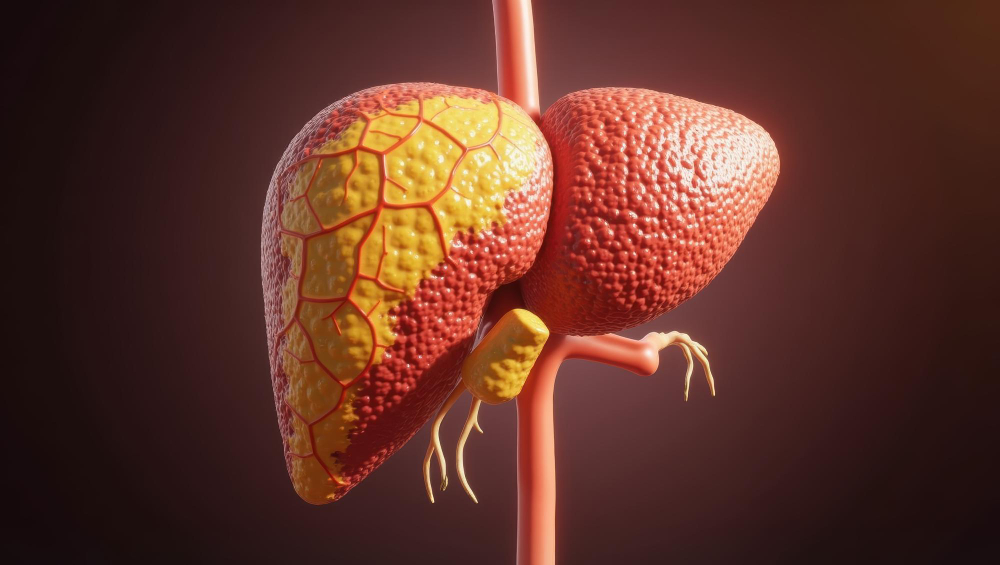
What Is Fatty Liver Disease?
Fatty liver disease happens when too much fat builds up in the liver. The liver is a vital organ that helps your body digest food and remove toxins. However, when fat collects in the liver, it can harm liver function. Often, fatty liver disease does not cause symptoms at first. Because of this, many people do not know they have it. This is why doctors call it a “silent” condition. Yet, if left untreated, it can lead to serious liver problems.
Common Symptoms and Warning Signs
Most people with fatty liver disease feel fine in the early stages. Still, some may notice mild symptoms as the disease progresses. For example, you might feel tired or have discomfort in the upper right side of your belly. In some cases, people may notice:
Because symptoms are often mild or absent, regular check-ups are important. Early detection can help prevent further liver damage.
Main Causes and Risk Factors
There are two main types of fatty liver disease. First, nonalcoholic fatty liver disease (NAFLD) is not linked to alcohol use. Second, alcoholic fatty liver disease is caused by heavy drinking. However, NAFLD is now the most common type. Several risk factors can increase your chances of developing fatty liver disease:
Additionally, some medicines and certain health conditions can also raise your risk. Knowing these risk factors can help you take steps to protect your liver health.
How Fatty Liver Disease Is Diagnosed
Doctors often find fatty liver disease during routine blood tests. For example, liver function tests may show higher levels of liver enzymes. However, these tests alone cannot confirm the diagnosis. Therefore, your doctor may order imaging tests such as:
In some cases, a liver biopsy may be needed. This test involves taking a small sample of liver tissue. It helps doctors check for inflammation or scarring. Early diagnosis is key to preventing serious liver problems.
Treatment Options and Management
Currently, there is no specific medicine for fatty liver disease. However, treatment focuses on managing the underlying causes. For instance, doctors may suggest:
In addition, regular check-ups help monitor liver health. Early treatment can prevent the disease from getting worse.
Lifestyle Changes for Liver Health
Simple lifestyle changes can make a big difference. For example, eating a balanced diet helps reduce liver fat. Try to include more fruits, vegetables, and whole grains. Also, limit foods high in sugar, salt, and unhealthy fats. Staying active is important too. Aim for at least 30 minutes of exercise most days. Even small changes can improve liver function over time.
Prevention Tips for Fatty Liver Disease
Preventing fatty liver disease is possible with healthy habits. Consider these tips:
By following these steps, you can protect your liver and overall health. Prevention is always better than cure.
For more information, you can visit trusted sources like the World Health Organization (WHO) and the Centers for Disease Control and Prevention (CDC).
If you have concerns about fatty liver disease, consult a healthcare specialist for personalized advice.