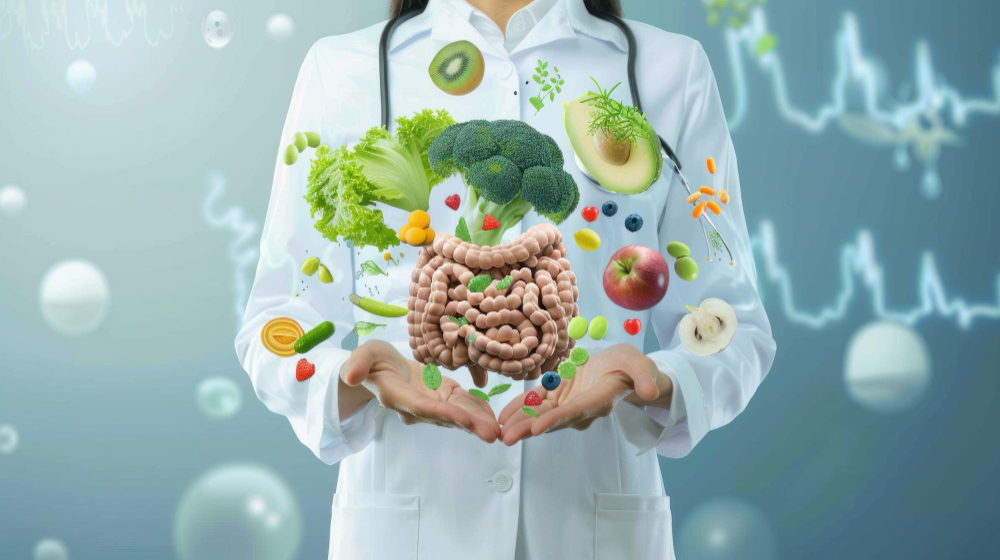
Why Gut Health Matters
Your gut does more than digest food. It helps your body absorb nutrients and keeps your immune system strong. Because of this, taking care of your gut is important for your overall health. Many experts, including those at the World Health Organization (WHO), say that a healthy gut can lower your risk of illness. In addition, a balanced gut may improve your mood and energy levels. So, eating foods that support a healthy gut can make a big difference in how you feel every day.
Key Foods for a Healthy Gut
Eating the right foods can help your gut work well. For example, some foods feed the good bacteria in your gut. Others help your body digest food more easily. Here are some of the best foods for gut health:
Moreover, eating a mix of these foods can help improve digestion naturally. Studies in peer-reviewed journals show that people who eat more fiber and fermented foods have better gut health.
Foods to Limit or Avoid
Some foods can upset your gut. While you do not have to avoid them completely, it helps to eat them less often. Here are some foods that may harm gut health:
Instead, try to choose whole, natural foods most of the time. This simple change can help your gut stay healthy.
Tips for Building a Gut-Friendly Diet
Making your diet gut-friendly does not have to be hard. In fact, small changes can make a big difference. Here are some gut-friendly diet tips:
Additionally, planning your meals ahead can help you make better choices. Over time, these habits can improve your gut health.
Lifestyle Habits That Support Digestive Health
Besides diet, your daily habits also affect your gut. For instance, regular exercise helps your gut move food along. Here are some lifestyle tips to support digestive health:
Furthermore, staying active and relaxed can help your gut work better. The Centers for Disease Control and Prevention (CDC) also recommend these habits for overall health.
Frequently Asked Questions
What are the best foods for gut health?
Foods like yogurt, kefir, bananas, onions, whole grains, and fermented vegetables are great for your gut.
How can I improve digestion naturally?
Eat more fiber, drink water, exercise, and include probiotic foods in your diet. These steps can help your digestion.
Are there foods I should avoid for better gut health?
Yes. Try to limit processed foods, fried foods, artificial sweeteners, and red meats. These can upset your gut.
How quickly can I see changes in my gut health?
Some people notice changes in a few days, while others may take weeks. Consistency is key.
In summary, eating foods that support a healthy gut and making simple lifestyle changes can boost your digestive health. For personalized advice, consult a gastroenterologist or registered dietitian.